To be finished by June 1, plan on signing a contract between February and the end of March. Signed contract to final inspection typically takes about 2 to 4 months, longer in late summer, so those are the two dates you reach when you count back from the first day of hurricane season. Your estimates come before that, which makes January and February the comfortable months to have someone out to measure.
Nobody is going to hold you to June 1. Hurricane season runs June 1 to November 30, and a project can finish at any point in it. But if you want the work behind you before the season opens, these are the numbers to plan around.
The calendar, counted back from June 1
Here is the count. These are typical ranges, so treat each date as a target and not a promise.
- June 1: Hurricane season starts. Use this as your date for final inspection, not for your first phone call.
- End of March: The latest signing date that reaches June 1, and only if your job lands on the 2-month end of the range.
- Early February: The signing date that leaves room for the full 4 months.
- January and February: Estimates. Leave time for more than one, and for reading them side by side.
- December: Homework. Count your openings, decide what you want to change and, if you have an HOA, ask how its approval works.
If you're reading this in the fall, you're ahead of the calendar. We wrote a separate guide on planning next year's project in the off-season that covers how to use those months. When you're ready for numbers, book a free in-home estimate. It doesn't commit you to anything, so there's no cost to having it early.
And if winter gets away from you, the plan still works. Lead times usually grow in August, so spring is the time to book an estimate. A contract signed in mid-April typically reaches final inspection somewhere between mid-June and mid-August. That's after the season opens, but you're already in line when late summer slows things down.
Where the 2 to 4 months go
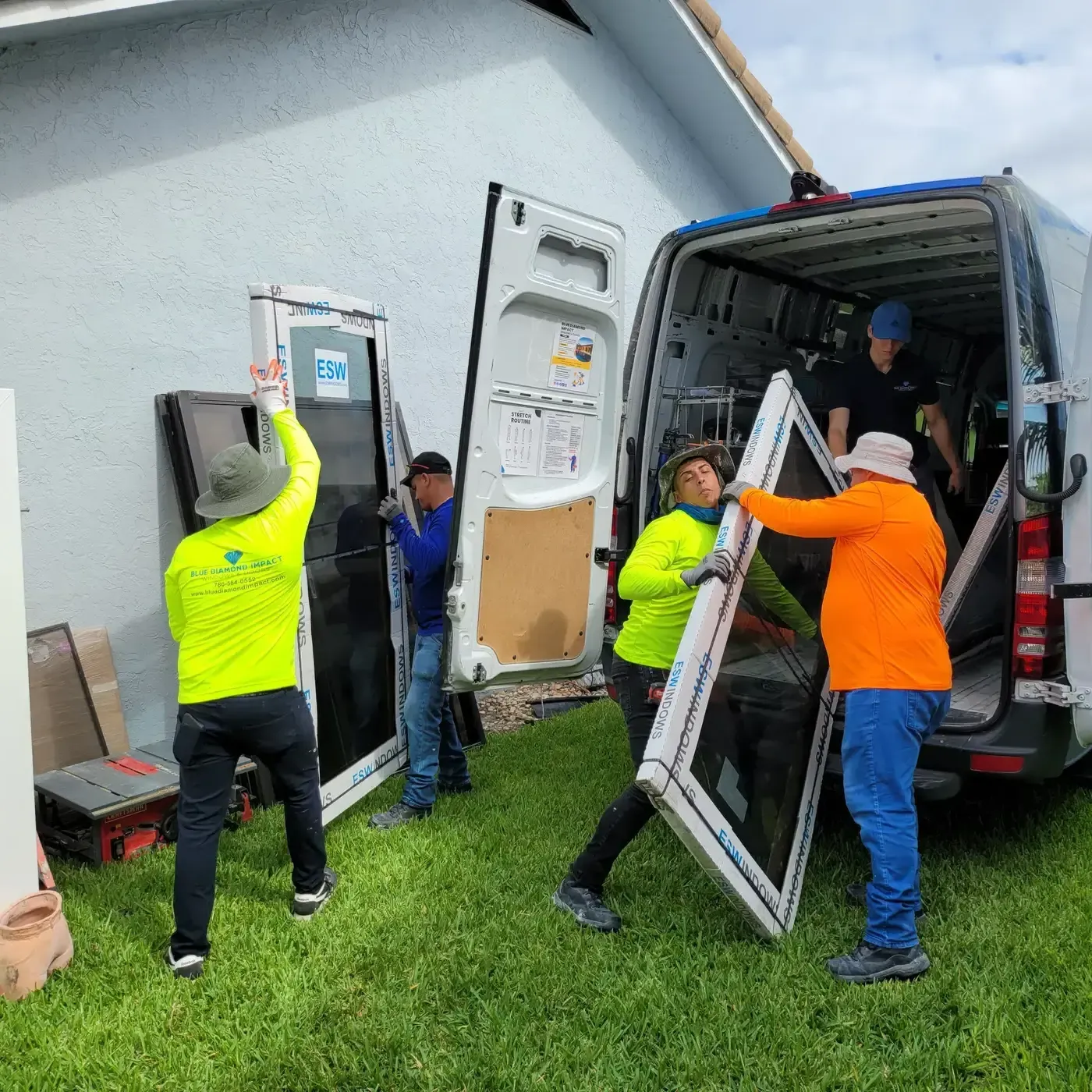
The parts you can see are the short ones. A permit typically takes a few days to a few weeks, depending on the city. Installation usually takes 1 to 3 days for most homes, longer for large whole-home jobs. Add those together and you still haven't reached 2 months.
Most of the rest is waiting on your order and getting the schedule to line up. John M. wrote: "Jonathan told me there would be a few months lead time for manufacturing, once the order was in they knocked it out in no time." That's how the schedule usually feels: a long, quiet stretch and then a fast finish. It's also why you can't make up time at the end. A crew can move quickly once your windows arrive, but no crew can shorten the wait for them.
What moves your date
A few things push a project toward the long end of the range. Ask about each one before you sign, whoever you hire.
- Your city. Permit time depends on the city. We'll tell you what to expect for yours.
- Your HOA. Boards meet on their own calendar, so ask when yours meets and what it wants to see. Permits and HOA approval has more on this. We provide specs for boards. Captiva O. wrote that "David & Carlos were quick to respond and provided specs for me to submit to my HOA board."
- The size of the job. A whole-home project has more openings to measure, order and install, so give it more room on the calendar than you'd give a few windows.
- The month you sign. Contracts that head into late summer usually take longer, because lead times grow in August.
- A state grant. If you plan to use My Safe Florida Home, read what to check before you apply before you sign anything, and confirm the current details on the program's site. Funding and details change, so we won't guess how much time it adds.
Questions that keep a schedule honest
Whoever you hire, ask these before you sign and write down the answers.
- What's the lead time on this exact product right now?
- Who applies for the permit, and when?
- Who schedules the final inspection?
- If a storm is forecast while my job is under way, what happens to the schedule?
A good answer comes with a range and a reason. A firm date given before anyone has asked about your city, your HOA or your order isn't worth much. We measure, permit and install every opening with our own installers, never subcontractors, so you get those answers from one place.
If the date has already passed
If it's April or May and you're only starting, you haven't lost anything that matters. A project that finishes in July still covers the rest of the season and every season after it. Keep using the protection you have now until final inspection. If part of your home already has impact windows, our storm season checklist covers what to do with them before June 1.
What isn't worth doing is picking a product you're unsure about just to beat a date. You'll live with these windows far longer than one season. If the money or the timing doesn't work this year, wait, and start the count again in the fall. June 1 will be in the same place.
Ready to protect your home?